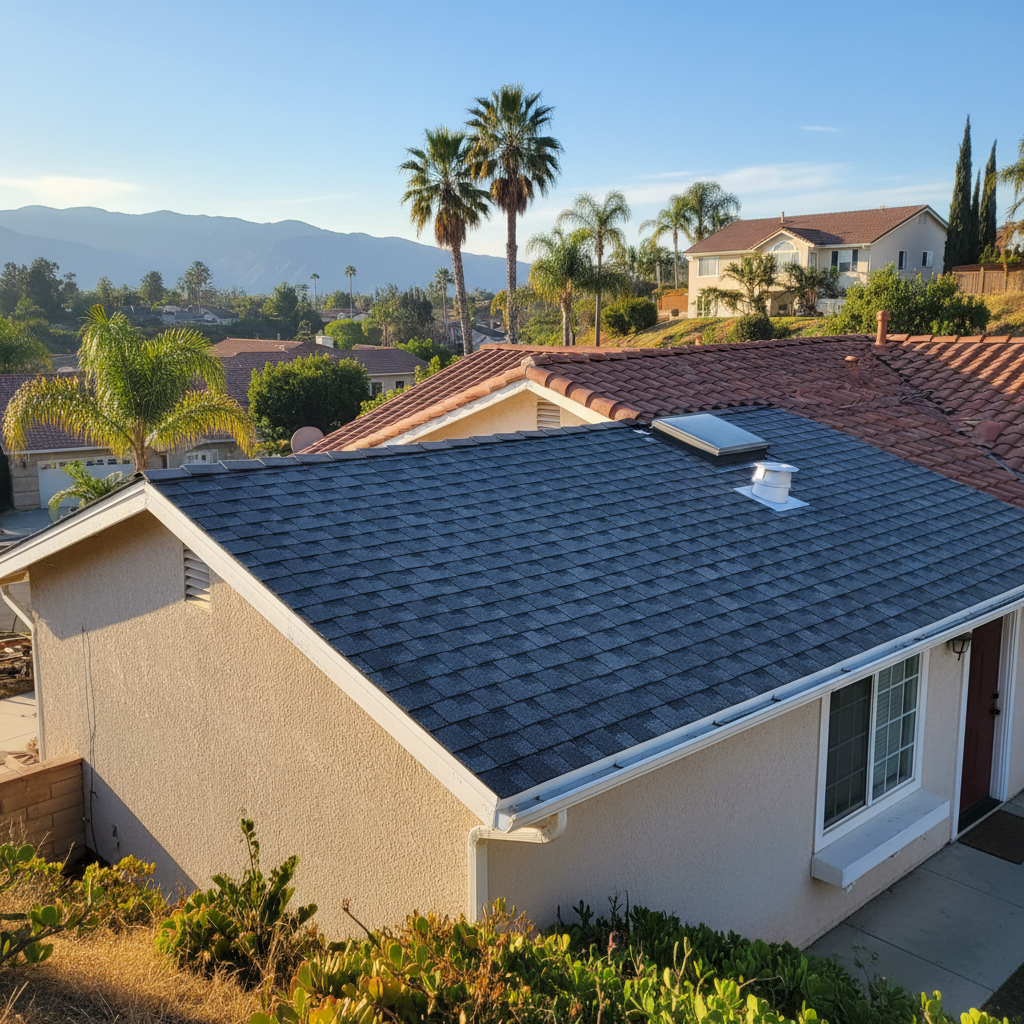
So, you just had a roof repair, maybe a few shingles got replaced, or a patch fixed after a small leak. That's great. But really, that's not the whole story. If you want that repair to actually last and keep bigger headaches away later on, you've got to give your roof a little attention. Think of it like changing the oil after an engine fix – totally essential for how long it'll run.
Making Your Roof Repair Last Longer
First things first, once a repair is done, don't just forget about it. Especially here in Alhambra, where we get those hot, dry summers followed by occasional heavy winter rains, your roof really takes a beating. The biggest thing you can do to make a repair stick is to keep the area clean. Debris, whether it's leaves from those big oak trees in the older parts of town or just general dust and dirt, can trap moisture. And that moisture? It's a killer for any roofing material, particularly around seams and flashing where repairs often happen.
Make sure your gutters are clear, too. If water backs up, it can sit on the edge of your roof, seep under shingles, and mess up even the best repair work. I've seen perfectly good repairs fail way too soon just because a clogged gutter turned into a mini-swimming pool right there on the roof's edge.
Also, keep an eye on nearby trees. Overhanging branches can rub against the roof, wearing down the granules on asphalt shingles or even scratching metal. And if a branch falls, well, that can undo a repair in an instant. So, trim those branches back – it's a small chore that saves you big money, believe me.
What Regular Maintenance Looks Like
Regular maintenance isn't rocket science, but it truly is critical. You don't need to be up on your roof every week, but a good once-over twice a year is smart. I usually tell folks to do it in the spring after the winter rains, and then again in the fall before the wet season starts.
- Visual Inspection: From the ground, look for anything out of place. Are shingles curling, cracking, or missing? See any dark streaks or moss growing? Check your flashing around chimneys, skylights, and vents – that's where leaks often begin.
- Gutter Cleaning: This is a big one. Clear out leaves, twigs, and any other gunk. A leaf blower works wonders, or just get up there with gloves. Make sure downspouts are clear and directing water away from your foundation.
- Debris Removal: Gently sweep or blow off any leaves or pine needles sitting on the roof surface. Don't use a pressure washer; it can damage shingles.
- Trim Trees: As I said before, keep those branches at least 6-8 feet away from your roof.
- Check Attic/Ceiling: Every now and then, pop into your attic (if you have one) or just look at your ceilings for any water stains or damp spots. It's often the first sign of a hidden leak, isn't it?
That dry California air can be tough on roofing materials, making them brittle over time. Regular checks help you catch these issues before they turn into major problems during our less frequent, but sometimes intense, rain events.
Warning Signs of Roof Problems
Your roof usually gives you clues before it completely fails. You just need to know what to look for:
- Missing or Damaged Shingles: Obvious, right? But even a single missing shingle can expose the underlayment to sun and rain, leading to faster deterioration. Cracks, curling edges, or bald spots where granules are gone are also red flags.
- Granules in Gutters: If you're finding a lot of sand-like granules in your gutters, it means your shingles are losing their protective coating. This is a clear sign of aging and wear.
- Water Stains: Stains on your ceiling or walls, especially after rain, are a clear indicator of a leak. Don't ignore them; they'll only get worse.
- Sagging Roof Deck: If you can see a noticeable dip or sag in your roofline, that's a serious structural issue and needs immediate attention.
- Higher Energy Bills: A damaged roof can lead to poor insulation, making your HVAC system work harder and driving up your utility costs.
- Moss or Algae Growth: While common in shadier, damper areas, extensive moss can hold moisture against the roof surface, causing damage over time.
When to Call a Professional
Look, I'm a big believer in DIY where it makes sense, but some things are just best left to the pros. When it comes to your roof, safety is key. Falling off a roof is no joke.
You should absolutely call a professional roofer like us at Apex Roofing if:
- You suspect a leak but can't find the source. Leaks can travel, making them tricky to pinpoint.
- You see significant damage – widespread missing shingles, large cracks, or structural issues.
- You're uncomfortable getting on the roof yourself. It's just not worth the risk.
- You notice any damage around flashing or vents. These areas need precise repair to ensure watertight seals.
- Your roof is old. Most asphalt shingle roofs last 20-25 years. If yours is approaching that age, it might be time for a professional inspection to assess its remaining lifespan.
- After a major storm. Even if you don't see obvious damage, high winds or heavy rain can cause subtle issues that a trained eye can spot.
Don't wait until a small problem turns into a major, expensive repair. A little proactive care and knowing when to call in an expert will keep your Alhambra home protected for years to come.